[vc_row][vc_column width=”2/3″][vc_column_text]Engineers often avoid specifying concrete stormwater tanks where site conditions, performance requirements, cost, and constructability create unacceptable risk or costly delays.
Concrete’s weight, rigidity, curing time and susceptibility to cracking, leaching and chemical attack make it less suitable in corrosive or reactive soils, high groundwater conditions, tight or obstructed sites, or projects with accelerated programs and limited access. Concerns around watertightness, long-term durability, maintenance, sustainability and water quality further reduce its appeal—particularly for reuse applications—leading designers to favour lighter, modular alternatives that offer faster installation, higher chemical resistance, flexibility and lower whole-of-life cost.
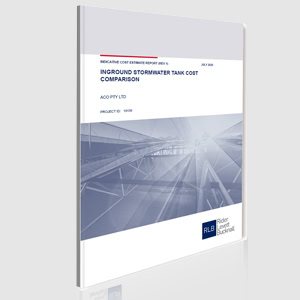
In a recent webinar held through Engineers Australia, the question was asked[/vc_column_text][vc_column_text]An independent report by Rider Levett Bucknall found that modular, precast, and cast in situ concrete tanks involve high transport, craneage, labour, and curing costs, making them more complex and expensive to install.
To learn more, click here[/vc_column_text][/vc_column][vc_column width=”1/3″][vcex_image source=”external” overlay_style=”” external_image=”/wp-content/uploads/sites/42/ACO-Stormwater-RLB-Indicative-Estimate-Report.png” main_notice=””][/vc_column][/vc_row][vc_row][vc_column][vcex_heading text=”In what applications would you not specify concrete tanks and why?”][vc_column_text]Here are some of the responses
—————————————————————————————————————————————————————————————————————-